
Overview
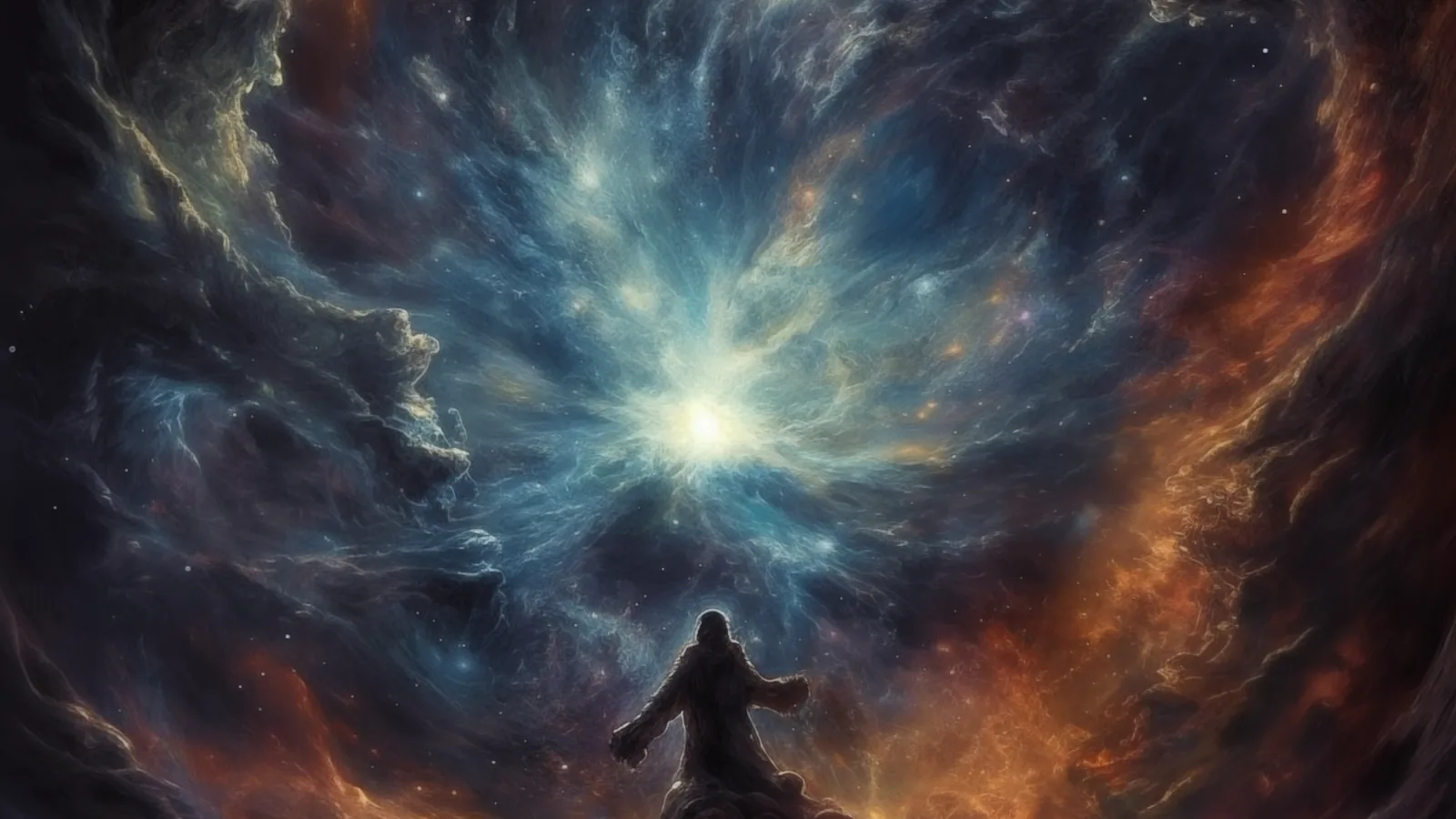
Beral creates ten elder gods to guide mortal life after the devastation of the Black Blood War.
What Happened
In the bleak aftermath of the War of the Black Blood, the mother of creation, Beral, beheld the world she had lovingly crafted teetering on the edge of chaos. The Titans, mighty and well-meaning as they were, proved insufficient guardians for the nascent mortal races now spreading across the realm of Amra. Resolute in her purpose, Beral determined to forge ten gods, each a paragon of their own domain, who would restore equilibrium to the world and shepherd the mortals through the trials and tribulations of life.
Drawing upon the very essence of Amra's diverse landscapes and phenomena, Beral breathed life into her divine progeny. Each god was a masterpiece, embodying the unique aspects of nature and life that would endow them with the skills and virtues to fulfill their duties in Amra.
Adate, the elusive goddess of lies and deceit, emerged from the swirling sands of a tempest in the Desert of Deceit. Beral sculpted her from the very grains of deception that whipped through the air, imbuing her with the art of cunning and the insight to pierce through illusions.
Adate's wisdom would arm the mortal races against the snares and treachery of their foes, enabling them to discern truth from falsehood.
In the verdant heart of the Eternal Forest, Basaj, the god of nature and beasts, took form. Beral wove the raw vitality of plant and animal life into his being, granting him communion with all creatures and foliage of Amra. A guardian of the wilds, Basaj would teach mortals reverence for the natural world and stewardship over its abundant wonders.
Deep within the molten heart of the Great Volcano, Brom, the god of the forge and metallurgy, was born. Beral shaped his visage from the searing metal and igneous rock, bestowing upon him mastery over metal and stone. Guided by Brom, the mortal races would fashion tools, weapons, and technology to advance their civilizations.
Upon the cusp between the realm of the living and the world of the dead, Erio, the god of death and decay, was forged. Beral carved him from shadows and silence, entrusting him with the sacred duty of guiding souls into the afterlife. Erio would teach the mortal races the acceptance and understanding of life's inescapable cycle.
As the sun's first golden rays painted the sky above the Valley of Plenty, Ethoras, the god of light and crops, sprang to life. From the sunbeams and the fertile seeds of the wheat fields, Beral fashioned him, blessing him with the power to nurture and protect bountiful harvests. The mortals under Ethoras' care would learn to cultivate the land and reap its sustenance, ensuring their prosperity.
High atop the Tower of Wisdom, Nithra, the goddess of magic and knowledge, was created. Born from the vast repository of knowledge contained within countless tomes and scrolls, she possessed the power to unlock and manipulate the arcane. Nithra would illuminate the path to arcane mastery for the mortal races, unveiling the mysteries of Amra and revealing a realm of limitless wonder.
Within the hallowed grounds of the Field of Promises, Honos, the god of honor and honesty, emerged. Shaped from the binding word and unbreakable oaths, he was destined to inspire loyalty and truthfulness among mortals, guiding them along the path of honor and justice. A beacon of moral virtue, Honos would aid the mortal races in maintaining their integrity and fighting for righteous causes.
In the Sanctuary of the Arts, Maeve, the goddess of music and beauty, was born. The harmonious symphony of music and the vibrant pulse of art coalesced into her divine form. Maeve was blessed with the ability to ignite creativity and appreciation for beauty within the mortal races, guiding them to express their innermost emotions through art and music. Owing to her gentle touch, Amra's denizens would develop a rich tapestry of artistic expression, filling their lives with joy and wonder.
Upon the blood-soaked Battlefield of Fate, Necis, the god of war and conquest, took shape. Beral sculpted him from the crimson lifeblood and indomitable courage of fallen warriors, endowing him with the power to lead and embolden the mortal races in the crucible of battle. Under Necis' tutelage, mortals would learn to defend their lands and confront their adversaries with valor and resolve.
At the Meeting Point, where the vast ocean embraced the boundless sky, Odine, the goddess of sea and air, was created. Beral melded the churning waves and currents of the deep with the billowing clouds and gusts of the heavens to form her divine essence. Odine was granted dominion over water and air, teaching the mortal races to navigate the oceans and skies, thus expanding their world and its horizons.
Together, these ten Elder Gods embarked on their divine mission, weaving their influence into the tapestry of Amra and nurturing the mortal races within their respective domains. Tirelessly, they labored to restore balance to the world and ensure the safety and prosperity of its inhabitants. In time, mortals came to worship and revere their celestial guardians, erecting temples and altars in their honor and seeking their guidance and benediction in their daily lives. Through devotion and faith, an eternal bond was forged between the mortal races of Amra and their divine protectors, paving the way for a harmonious and peaceful future.
As the eons passed, the gods formed intricate relationships amongst themselves, forging alliances and, occasionally, rivalries. Adate and Honos, despite their conflicting natures, learned to respect and appreciate each other's strengths, teaching mortals the delicate dance between truth and deception, and the wisdom to act with honor.
Ethoras and Erio, the deities of life and death, discovered balance within their connection. Both comprehended that the cycle of life and death was paramount to preserving equilibrium in Amra, and they joined forces to shepherd mortals towards a deeper understanding of this eternal process.
United in purpose, the gods shared their gifts and knowledge with one another, fostering the growth and prosperity of the mortal races of Amra. Under their celestial guidance, disparate peoples learned to coexist in harmony, exchanging knowledge and culture, and building a world where all could thrive.
Throughout the centuries, the gods faced countless perils and challenges together, vanquishing formidable adversaries and resolving conflicts that threatened Amra. From these epic exploits, myriad stories and legends were born, passed down through generations and enshrining the gods as revered icons in the annals of Amra's history.
Even in times of tranquility, the gods remained vigilant, safeguarding their domains and watching over their mortal charges, ensuring that harmony and balance were ever upheld. Through their wisdom, love, and guidance, the ten major gods of Amra became beacons of hope and light for all beings in this vast and wondrous world, forging a legacy that would endure for all eternity.
With the completion of her divine progeny, Beral's presence and influence gradually faded from the world. Beral's departure birthed myriad theories and speculations throughout Amra. Some believed that the goddess had sacrificed herself to give life to the gods, her departure a final act of selflessness and surrender. Others postulated that the goddess, content with her handiwork and confident in her creations' ability to protect and guide the mortal races, withdrew to an unknown sanctuary to observe the evolution of her grand design from afar.
Regardless of the prevailing theory, what remained certain was that Amra's elder gods had managed to maintain balance and harmony in the world without the physical presence of their creator. Through their wisdom and guidance, they shielded the mortal races from myriad dangers and threats, ensuring an era of peace and prosperity in Amra.
Yet, some whispered that Beral's absence had left a void in the world, and that her presence was still needed to achieve Amra's ultimate perfection. Even a few of the gods themselves were said to have sought the return of their creator, endeavoring to locate her and bring her back to the world she had birthed.
While the true reason behind Beral's departure remained shrouded in mystery, her legacy endured through the gods she had fashioned. Under their protection and guidance, the ten major gods of Amra managed to uphold harmony and balance in the world, securing peace and prosperity for the mortal races.
As the ages rolled on, the divine pantheon continued to shepherd their mortal flock, guiding them through trials and tribulations, joys and sorrows. They stood as unwavering pillars of hope, illuminating the path forward for the inhabitants of Amra, their celestial tapestry woven into the very fabric of the world.
And so, the story of the gods and the world of Amra carried on, an eternal dance of creation, growth, and balance, a testament to the indelible impact of the great creator mother, Beral.
Lasting Consequences
This event still affects politics, religion, ruins, bloodlines, and the way scholars explain danger in the present age. Its relics and unresolved wounds can surface as diplomatic pressure, sacred duty, inherited guilt, or a forgotten threat returning from beneath the official histories.
Campaign Use
- Use this entry to anchor ruins, prophecies, noble claims, or old enemies in a specific age.
- Let modern factions disagree over what the event means and who has the right to inherit its legacy.
- Connect discoveries from this period to nearby region, god, species, or faction entries.